We seal joints between precast concrete panels on new buildings.
Precast concrete panel joint sealing
We seal joints between precast reinforced concrete façade panels on apartment blocks, offices and industrial buildings. Precast reinforced concrete panels are increasingly used in apartment construction in Latvia, and the joints between them need to be sealed to keep the building envelope weathertight. We specialise in façade construction of all types and offer joint sealing for new buildings erected with precast (prefab) reinforced concrete panels.
Sealing joints between façade panels
Joints between panels are important to the long-term performance and durability of the building envelope. Reinforced concrete panels move as temperatures change, and vibration and small shifts can occur during the building’s use. The joints accommodate these movements. A flexible backing rod and sealant allow the joint to take up movement and help prevent cracking in the joint.
Panel joint sealing step by step
Typical sequence for sealing panel joints
Inspect and clean the joint. Where required by the design, fill deep voids with mineral wool or insulation foam.
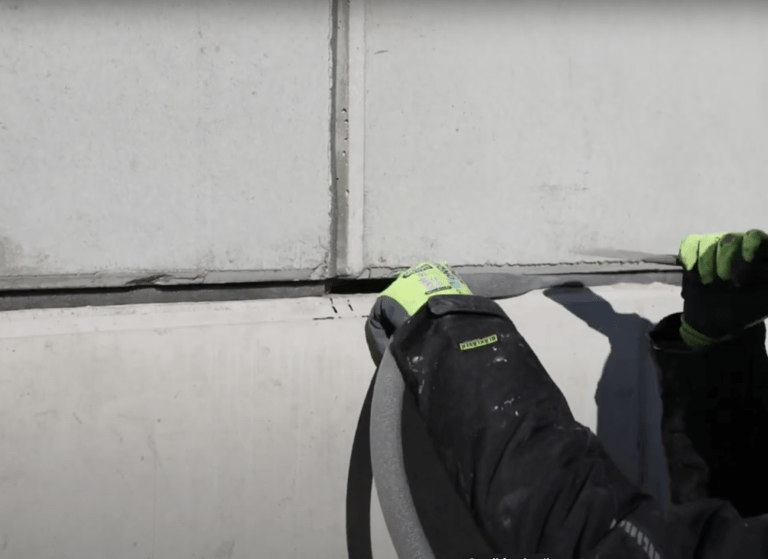
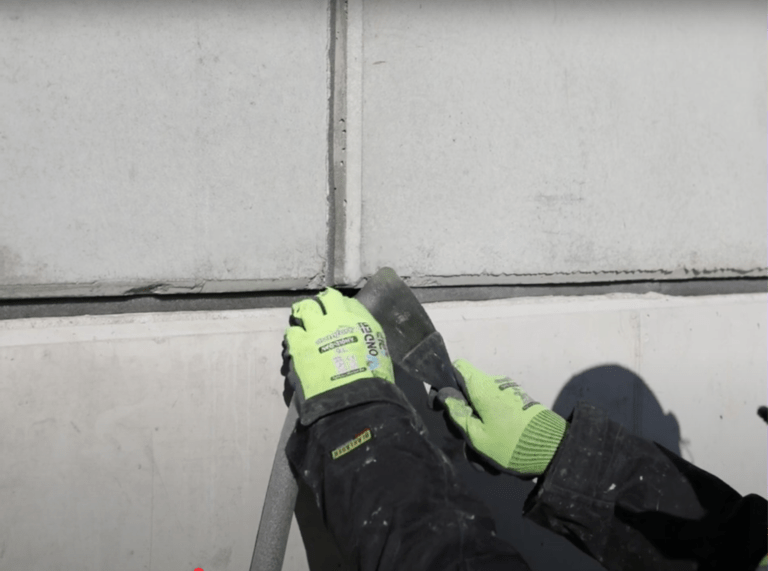
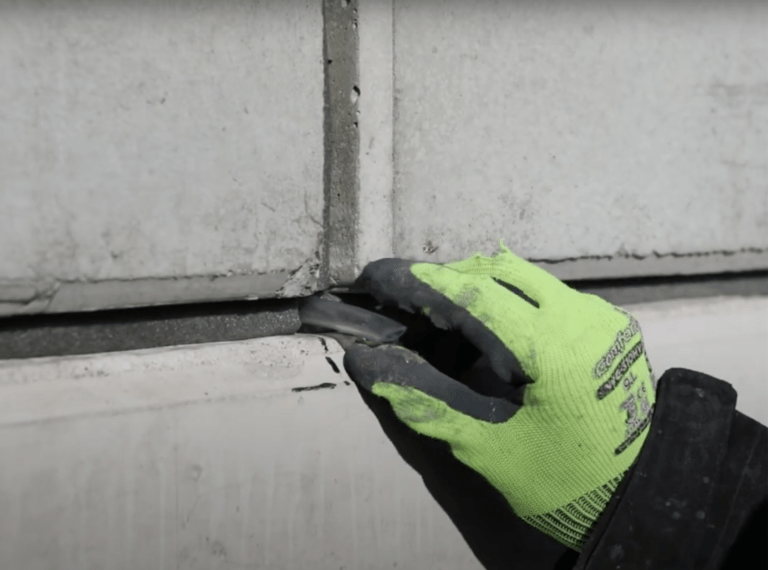
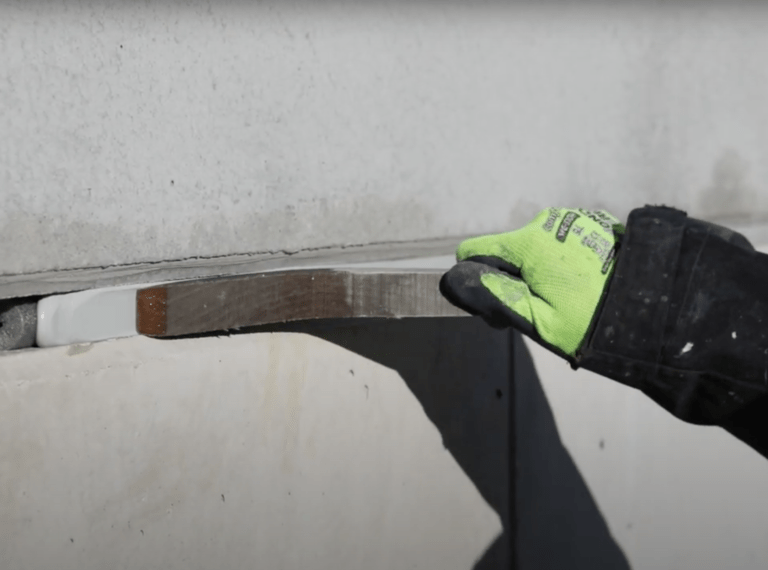
Fit the backing rod.
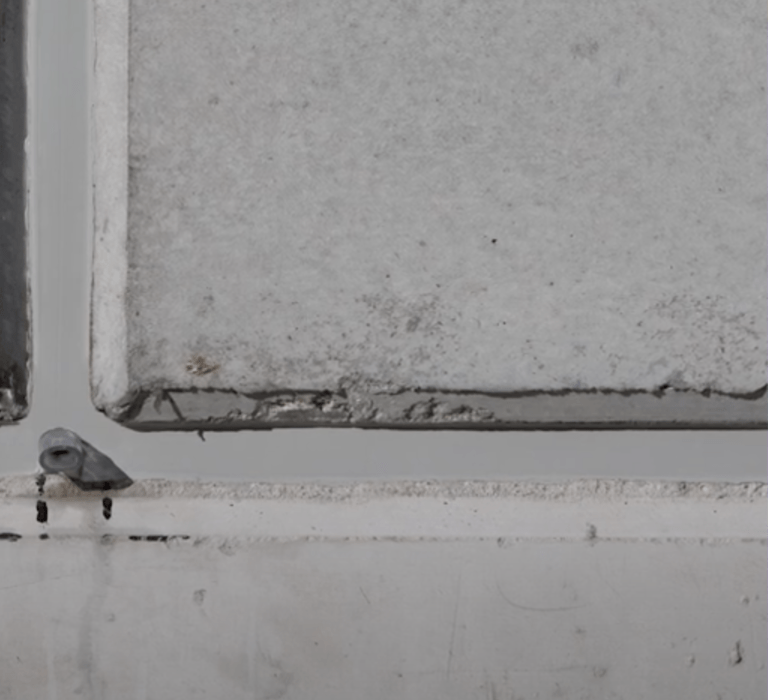
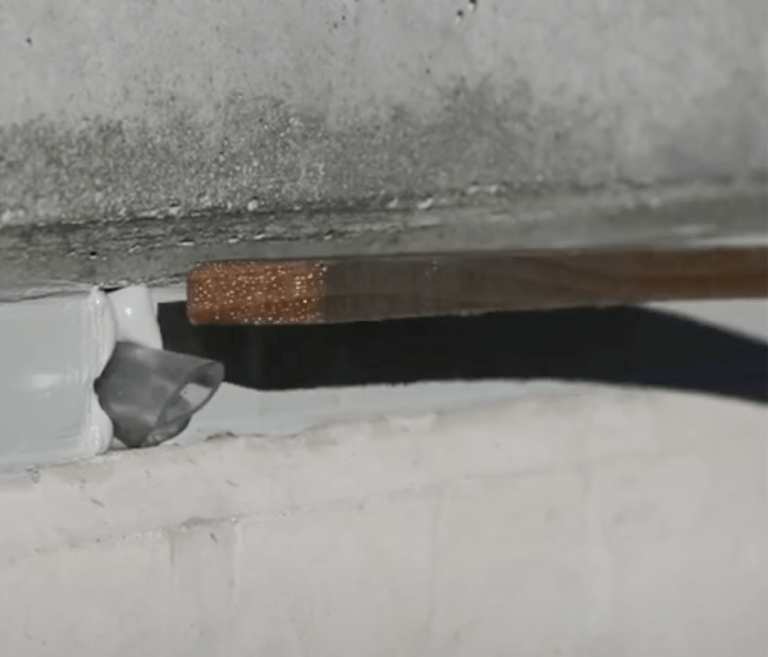
Fit condensate drainage tubes where specified.
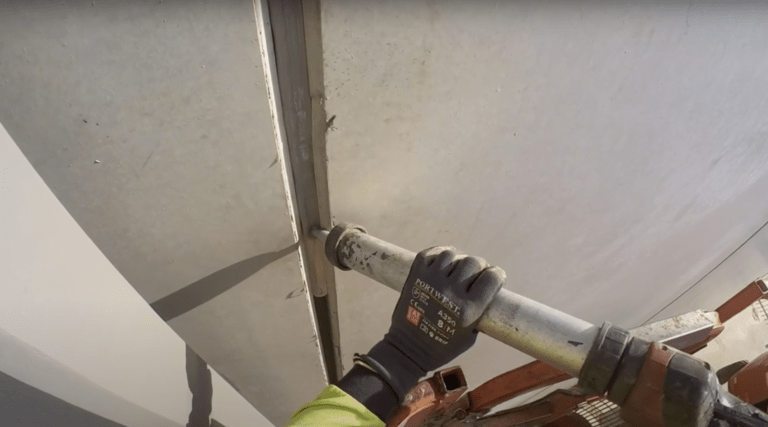
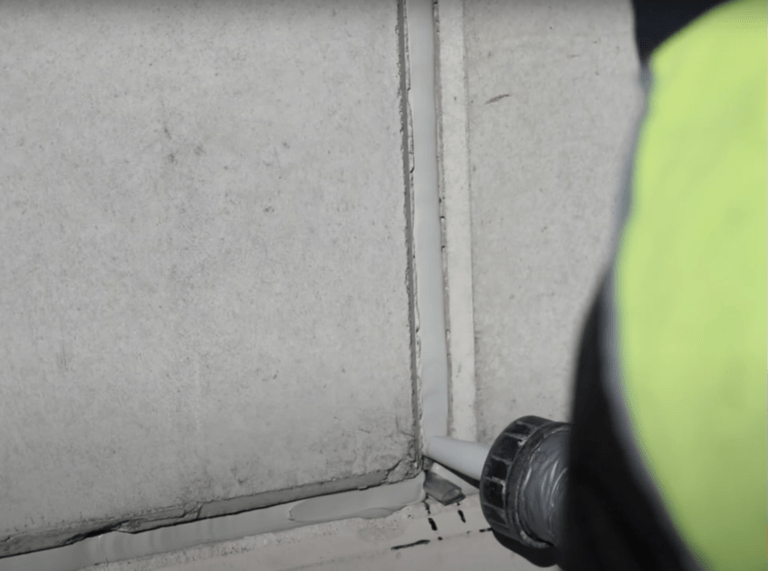
Apply the sealant.
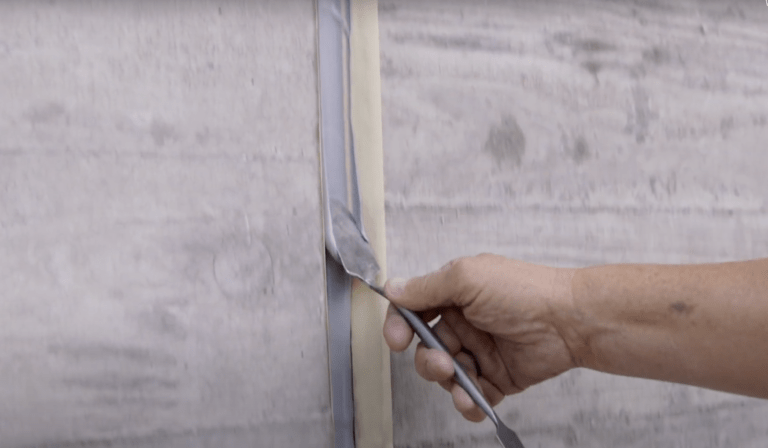
Tool the sealant to give a smooth finish.
Tools for sealing panel joints
Scraper or putty knife
Brush
Electric or manual sealant gun
Masking tape
Sealant tool or sponge
1. Clean the joints and fit the backing rod
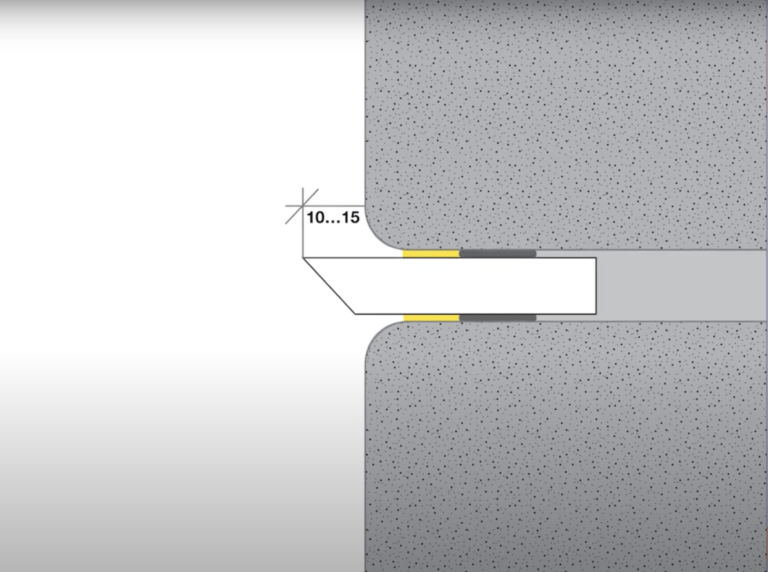
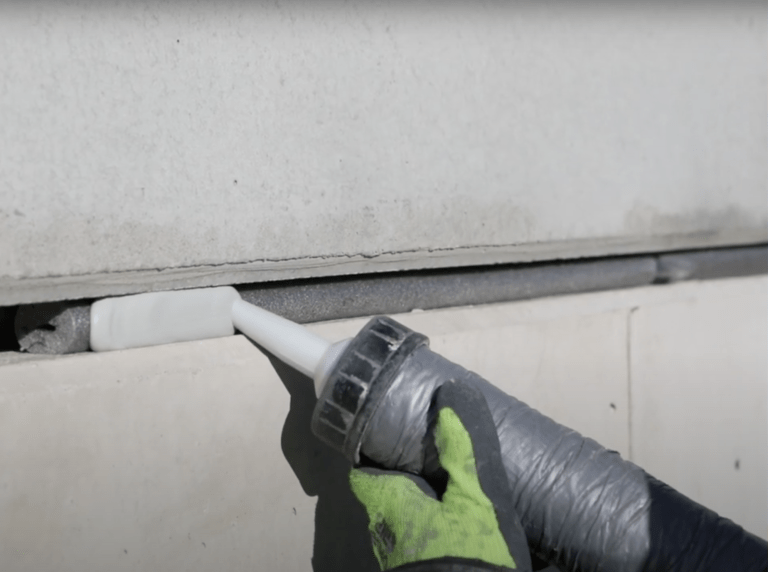
Before filling the panel joints, clear away any construction debris. If a deep joint contains an air pocket that could create a thermal bridge, inspect it and fill the void with stone wool or insulation foam as specified in the joint detail. Once the void has been prepared, fit the polyethylene backing rod in the panel joint.
In the joint detail described here, the polyethylene backing rod stays clear of the stone wool, with an air gap of at least 20 mm between them. Fit PVC ventilation and drainage tubes at the joint intersections shown in the design so that condensation between the panels can drain away. For longer panels, the detail described uses tubes every 2–3 metres.
2. Apply and tool the sealant
Before sealing, prime the joint faces where specified by the sealant manufacturer to improve adhesion. Different substrates need compatible sealants, so select the product suited to the surface. If the design requires a visually straight joint, apply masking tape to both sides along the joint before applying the sealant.
Tool the sealant as soon as it has been applied, using a dedicated hand tool or a sponge as appropriate for the sealant. The method described here assumes an air temperature of at least +5 °C. Follow the product’s temperature and moisture limits and avoid sealing in rain or on damp surfaces.